9 October 2026
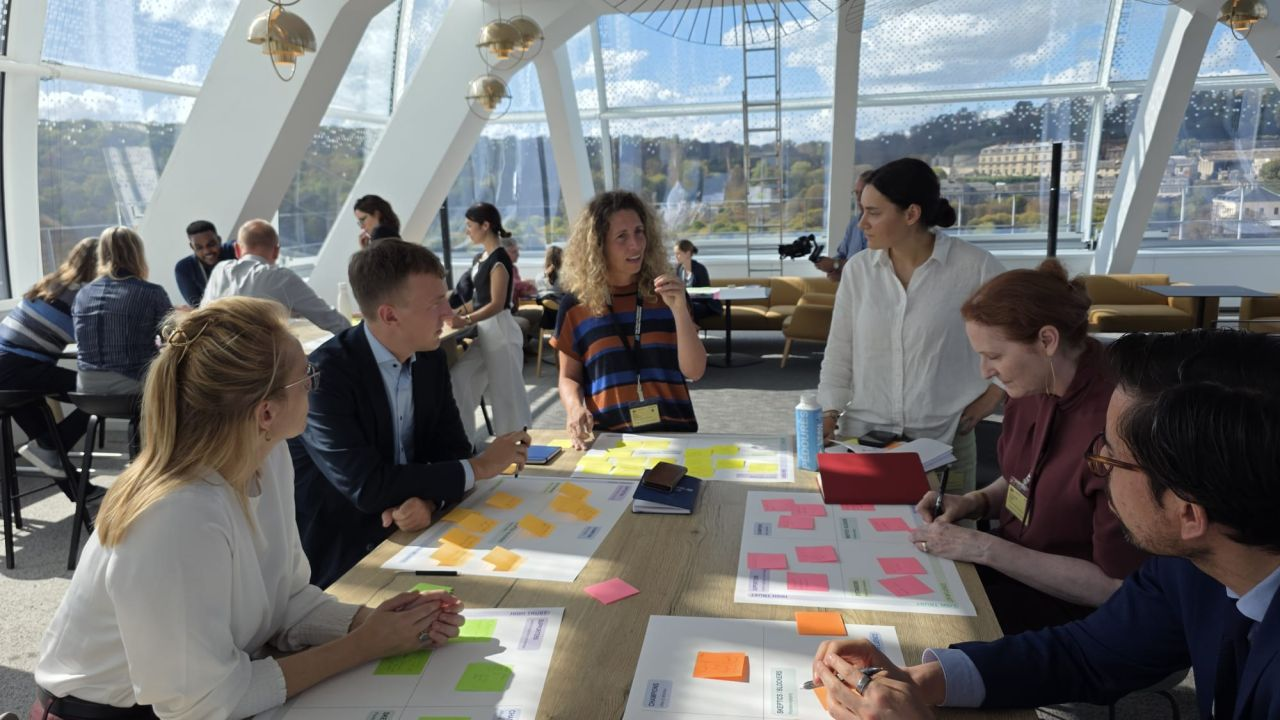
One of the strategic objectives in the NESC Statement of Strategy 2025-2028 is to support longer-term planning and foresight orientated policy work. NESC is continually building strategic foresight capacity within the organisation to ensure a structured and systematic approach of exploring plausible futures to anticipate and better prepare for change. Dr Siobhán O’Sullivan participated in the inaugural OECD Policy Foresight Training Programme for public servants in Paris from 29 September to 2 October 2026. Nineteen participants drawn from across the OECD worked on developing a futures mindset, putting foresight methodologies into practice with horizon scanning, scenarios, visioning, and backcasting applied to a shared policy challenge. There was also a focus on institutionalisation of foresight, and strategic foresight leadership.
25 September 2026
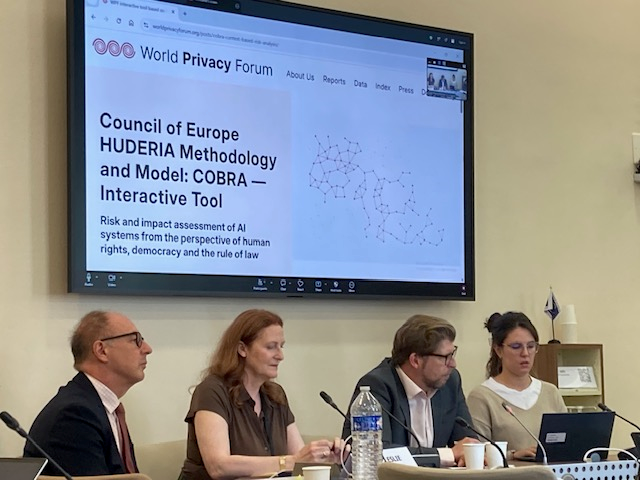
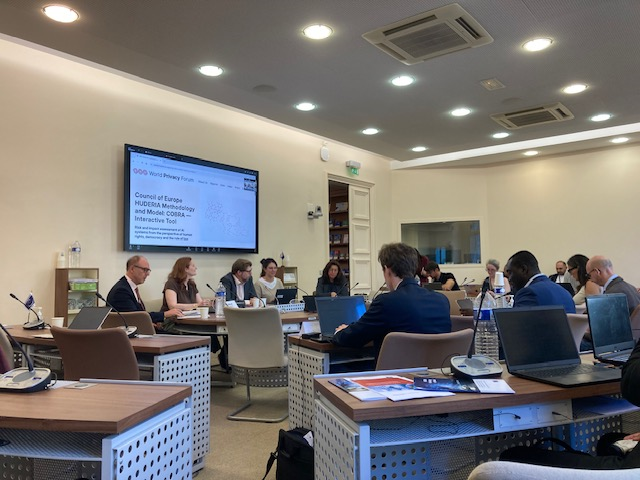
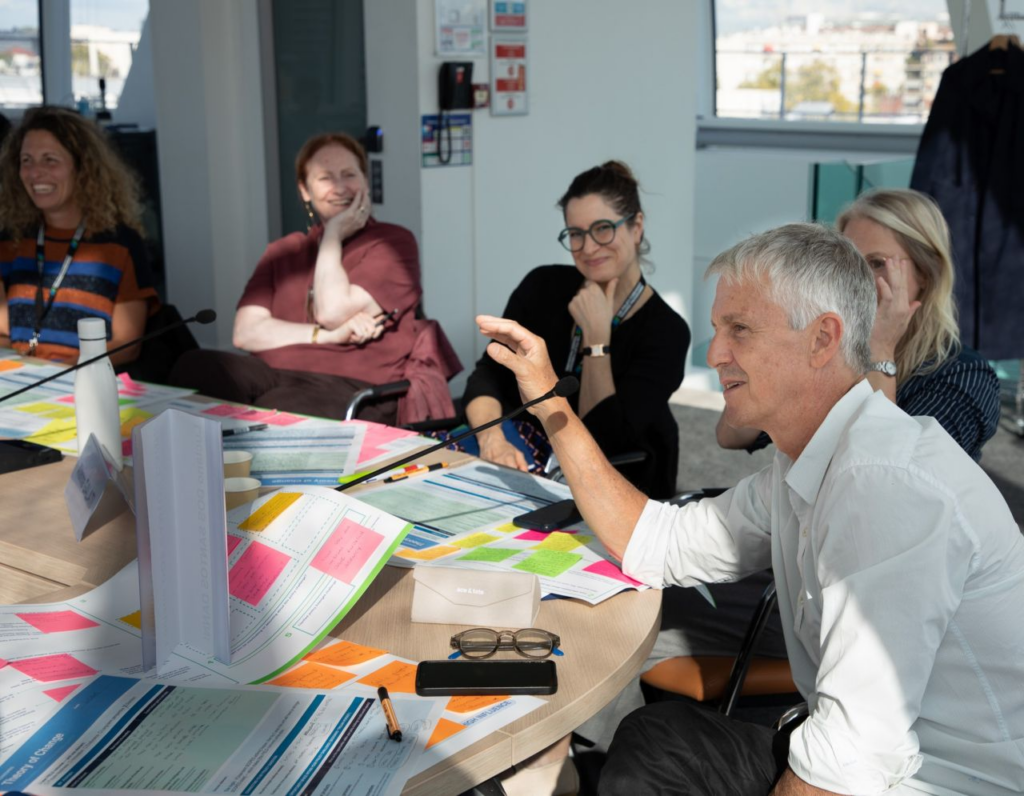
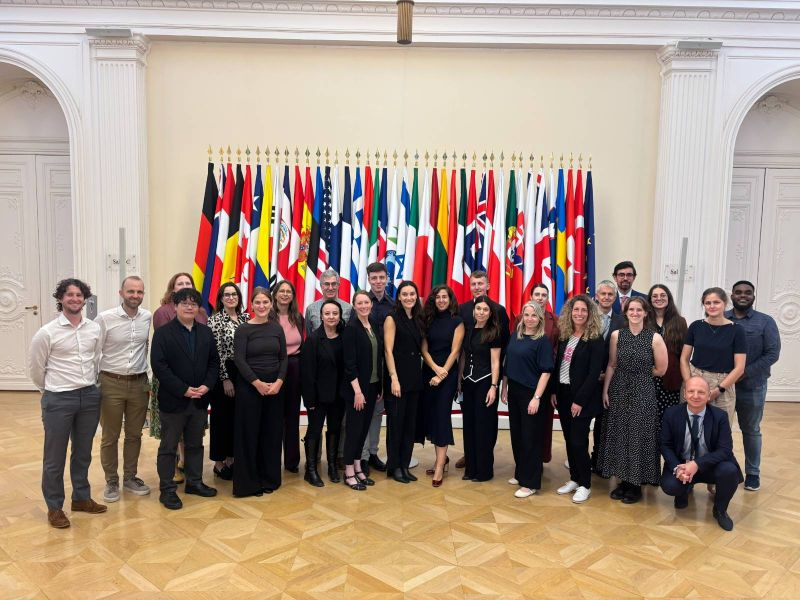
Dr Siobhán O’Sullivan was a co-facilitator of the HUDERIA Academy for the Health Sector, organised by the Steering Committees for New and Emerging Digital Technologies and Human Rights and in Biomedicine and Health at the Council of Europe in Paris from 21–23 September 2026 and delivered jointly with the OECD. The Academy brought together 21 health policymakers, regulators, and funders from 19 countries. They tested HUDERIA, the Council of Europe’s methodology for assessing the human rights risks of AI systems before they are deployed, by applying it to a hypothetical use case involving an AI chatbot for patients with chronic disease. By looking at AI through the lens of human rights, democracy, and the rule of law, HUDERIA recognises that AI in health will scale only at the speed of trust, and that trust has to be built into how these systems are designed, procured, and deployed.
2 September 2026
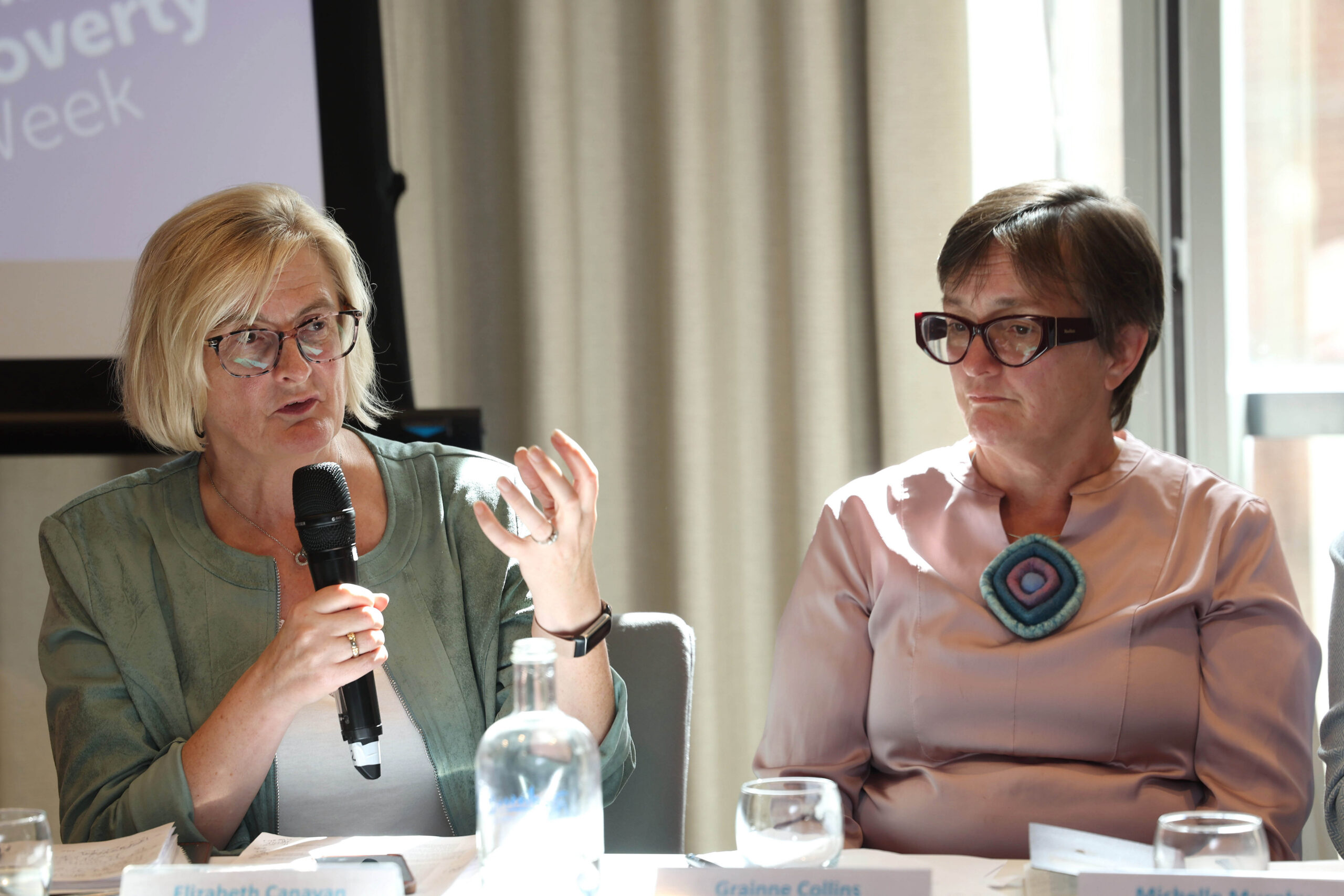
Drawing on her previous experience in the Department of Health & Children, NESC Analyst Dr Gráinne Collins was invited to speak on a panel at Budget 2026 – What Does It Mean for Children and Young People?, an event hosted by one of NESC’s community & voluntary pillar membership organisations, the Children’s Rights Alliance. Also bringing her extensive experience, not only in the area of Children & Youth Affairs but also in public policy and government, to the discussion was NESC Deputy Chair Liz Canavan. The event focused on child rights budgeting and how decision-making around Budget 2027 can deliver the best possible outcomes for children and young people, particularly those experiencing poverty.
7 August 2026
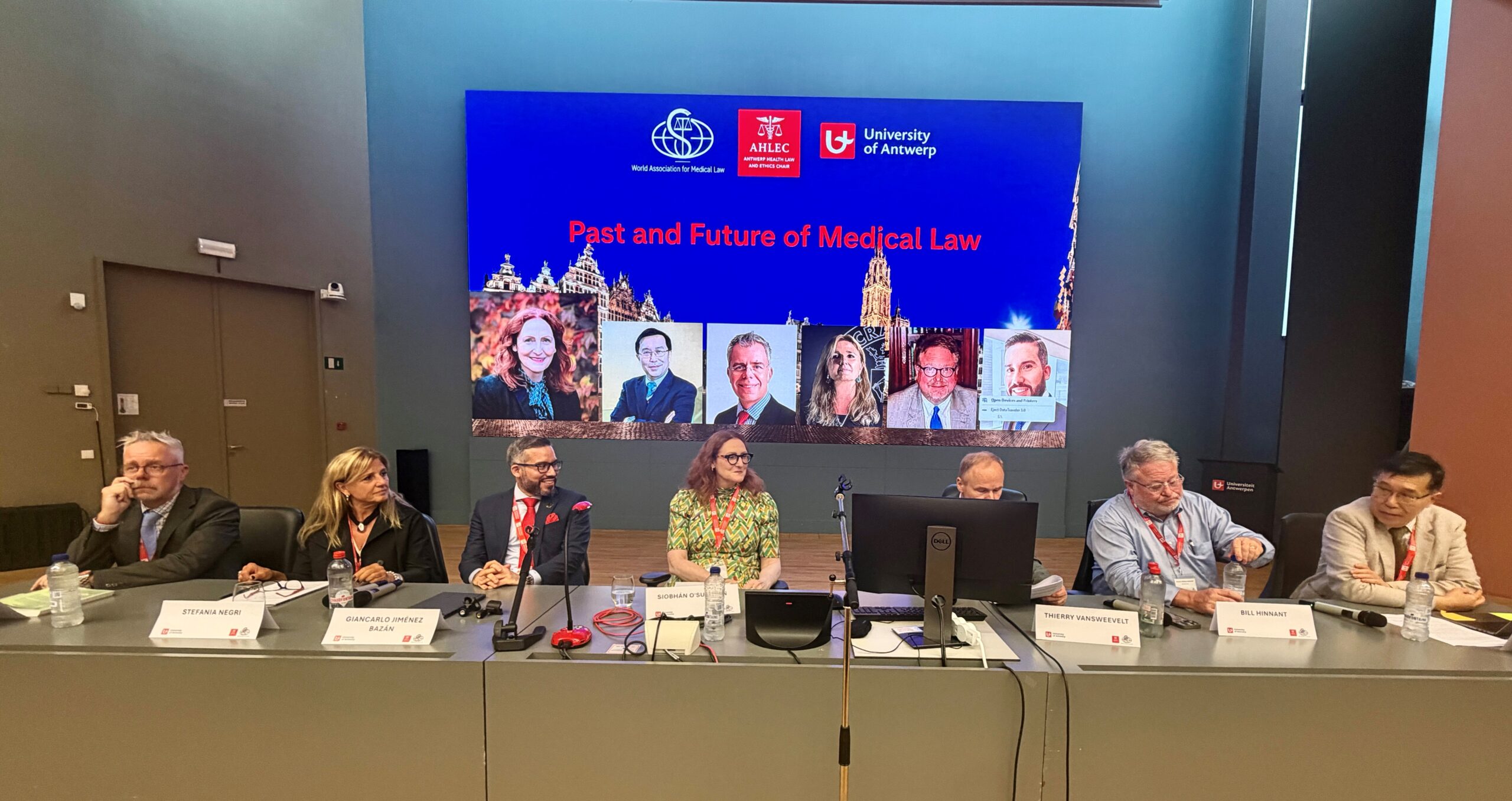
This week, Dr Siobhán O’Sullivan, NESC Senior Policy Analyst, delivered the keynote lecture at the opening of the World Medical Law Conference in Antwerp, Belgium. The conference brought together 450 participants from 57 countries under the theme “Expanding Boundaries of Health Law: Access, Innovation, and Interdisciplinarity”. Reflecting on fifty years of medical law and the bioethical debates during this period, her lecture traced how the field has evolved in response to transformative developments in biomedicine and considered what that trajectory tells us about the challenges that lie ahead for the field.
26 June 2026
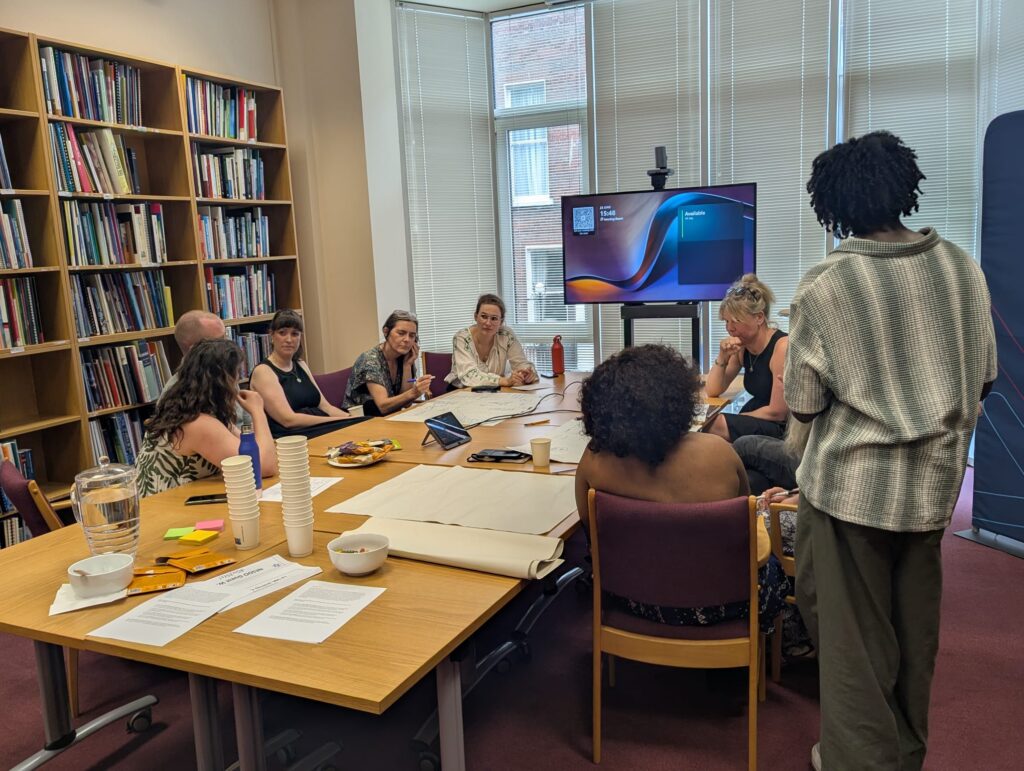
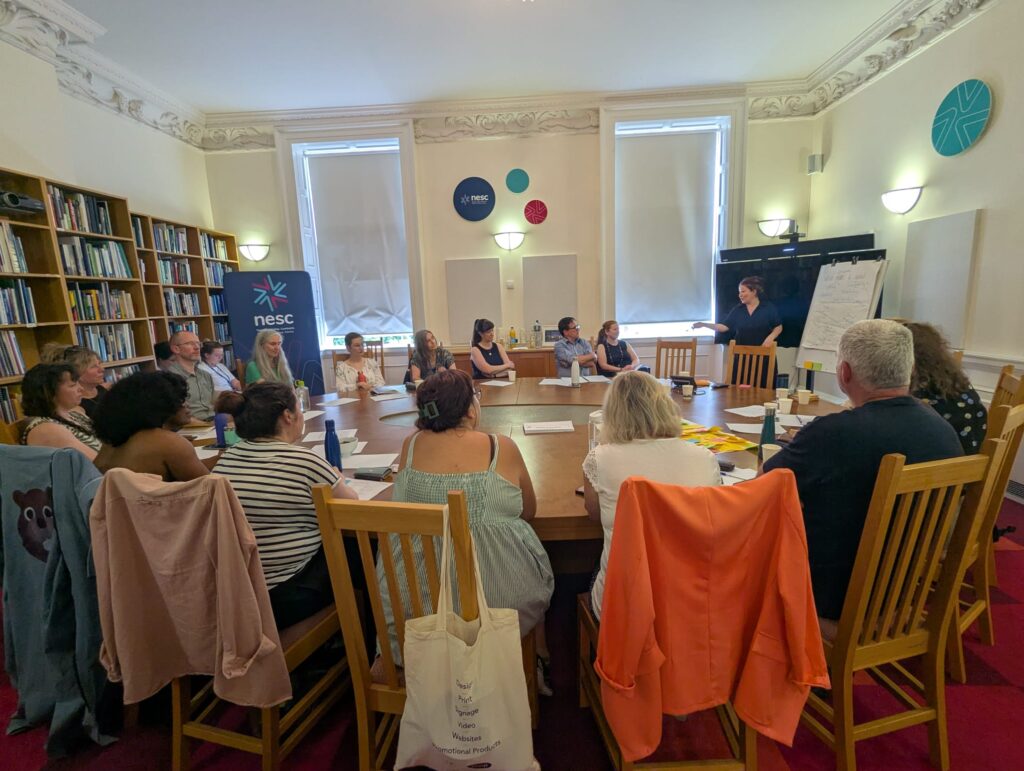
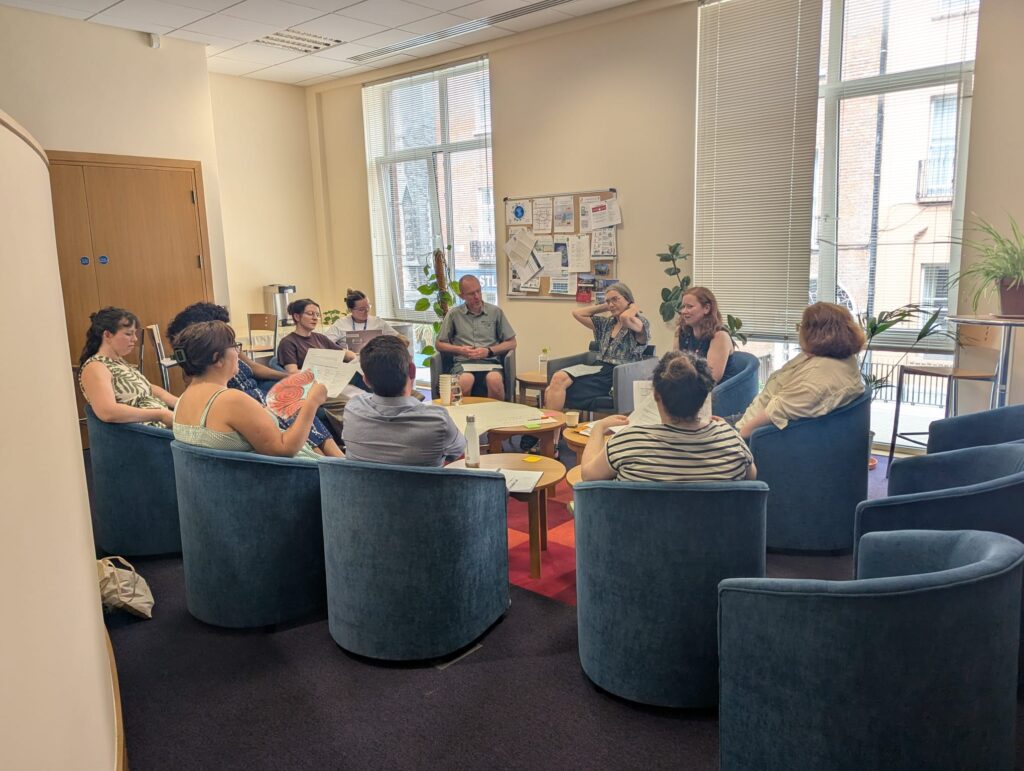
The sweltering heat didn’t hold back participants at NESC’s Sustainable Future workshop on Tuesday, 23rd June, where we invited a diverse group of community activists, policymakers, and academics to share their thoughts on climate action and sustainability. Participants first imagined a person-centred sustainable future, followed by an exploration of how storytelling can be a useful tool for transition – specifically, utilising it to consider how people might experience and achieve the transition to sustainability by 2050. Below are a few snapshots taken on the day, more to come…
17 June 2026
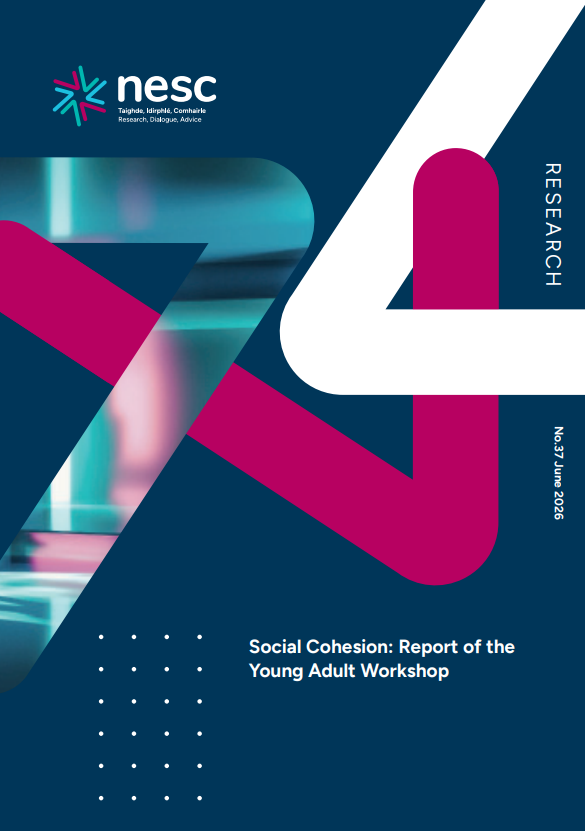
The full report on our recent participatory workshop for young adults on the topic of social cohesion has just been published, gathering all of the ideas generated and priorities that emerged throughout the day in one place. Have a look for yourself by clicking here: Social Cohesion: Report of the Young Adult Workshop.
12 June 2026
NESC was featured in a number of articles this week… Give them a read using the links below:
- Senior Policy Analyst Dr Siobhán O’Sullivan wrote an op-ed for The Journal on AI adoption in Ireland and where to go from here. This piece draws on some of the conclusions outlined in our recent Council Report No.173 Artificial Intelligence in Service of Society: Navigating Our Way Forward.
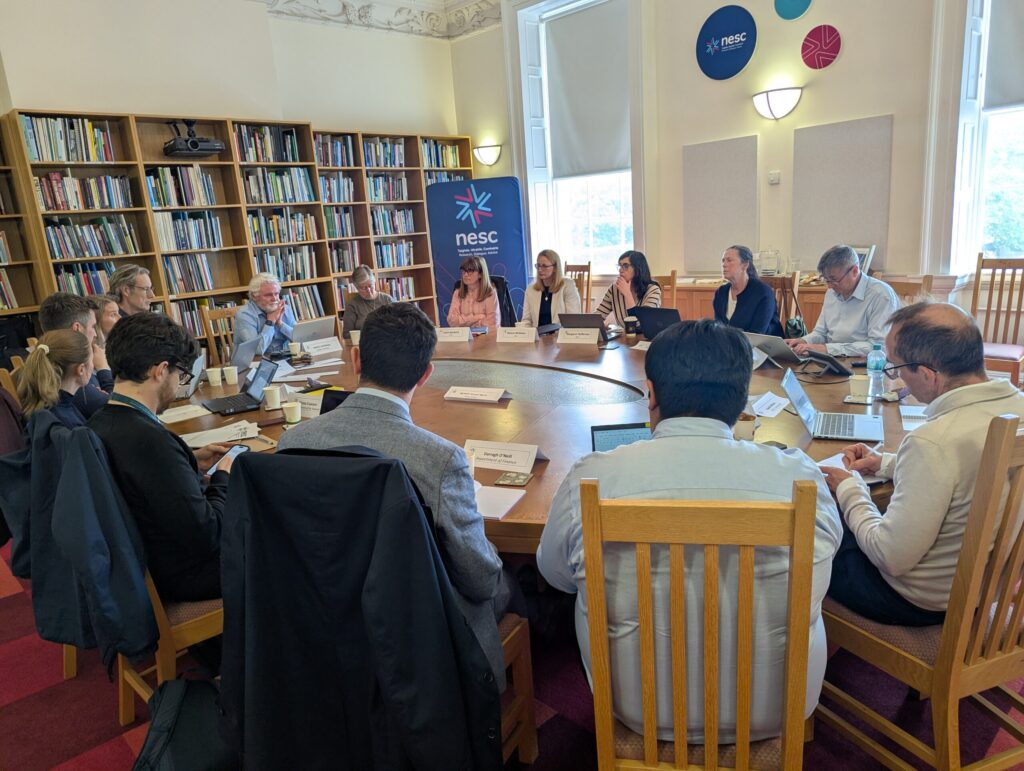
- Fórsa presented its research on the benefits of remote work in our office on Thursday, 11th June (pictured) – more details on their findings can be found in this RTÉ article by Brian O’Donovan.
2 June 2026
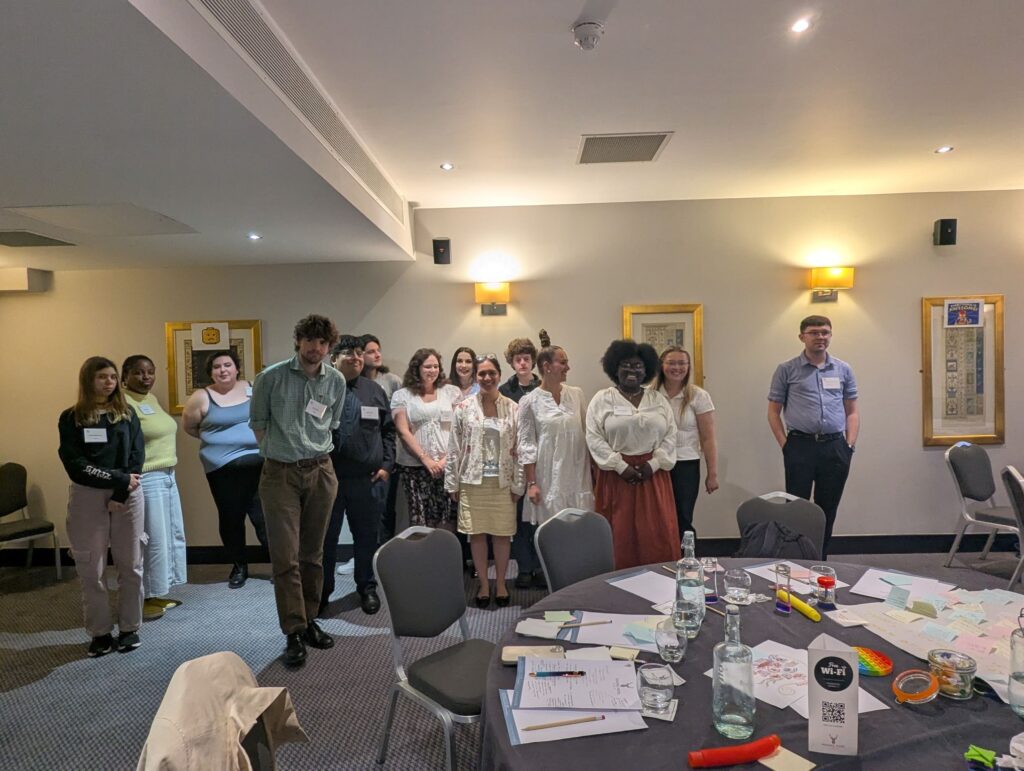
On the last Monday of May, as the sun was beaming in the sky, we were thrilled to be joined by a group of enthusiastic, energetic young people (ages 18-25) with a range of backgrounds and experiences to help us shape our work on Social Cohesion, which you can read about under the designated dropdown here. This is by no means a simple task, and their participation was absolutely invaluable.
25 May 2026
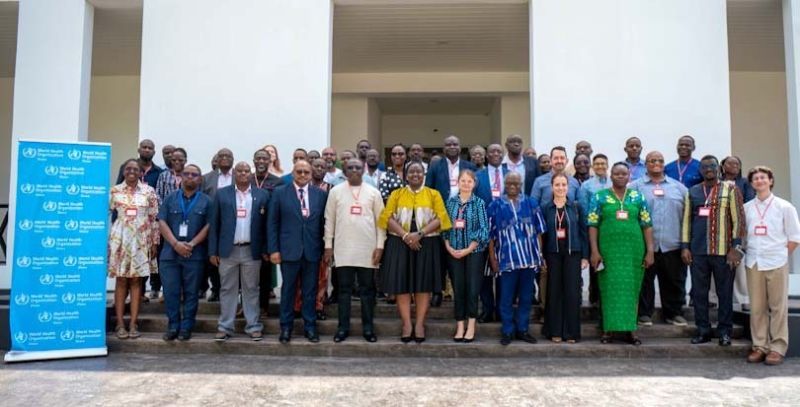
NESC Senior Policy Analyst Dr Siobhán O’Sullivan participated in an AFRO Regional Workshop on the Governance of Emerging Genetic Biocontrol Agents in Accra, Ghana on May 11th and 12th.
The workshop piloted the draft WHO-OECD tool for anticipatory governance in public health, using genetic biocontrol agents as a case study of a locally critical emerging technology. Engaging with policymakers, regulators, biosafety agencies, and public health experts from a number of African countries made for a richly diverse set of perspectives on how to govern emerging technologies under conditions of uncertainty.
From a NESC perspective, this initiative resonates strongly with two of the central findings in our recent report Artificial Intelligence in Service of Society: Navigating Our Way Forward: first, that current governance approaches need to be complemented with anticipatory governance which emphasises foresight, adaptability, stakeholder engagement, and continuous learning; and second, that the principle-to-practice gap is one of the most pressing challenges in technology governance. Seeing these principles put into practice, with real stakeholders, on a real emerging technology, where the stakes are high was both timely and encouraging.
14 May 2026
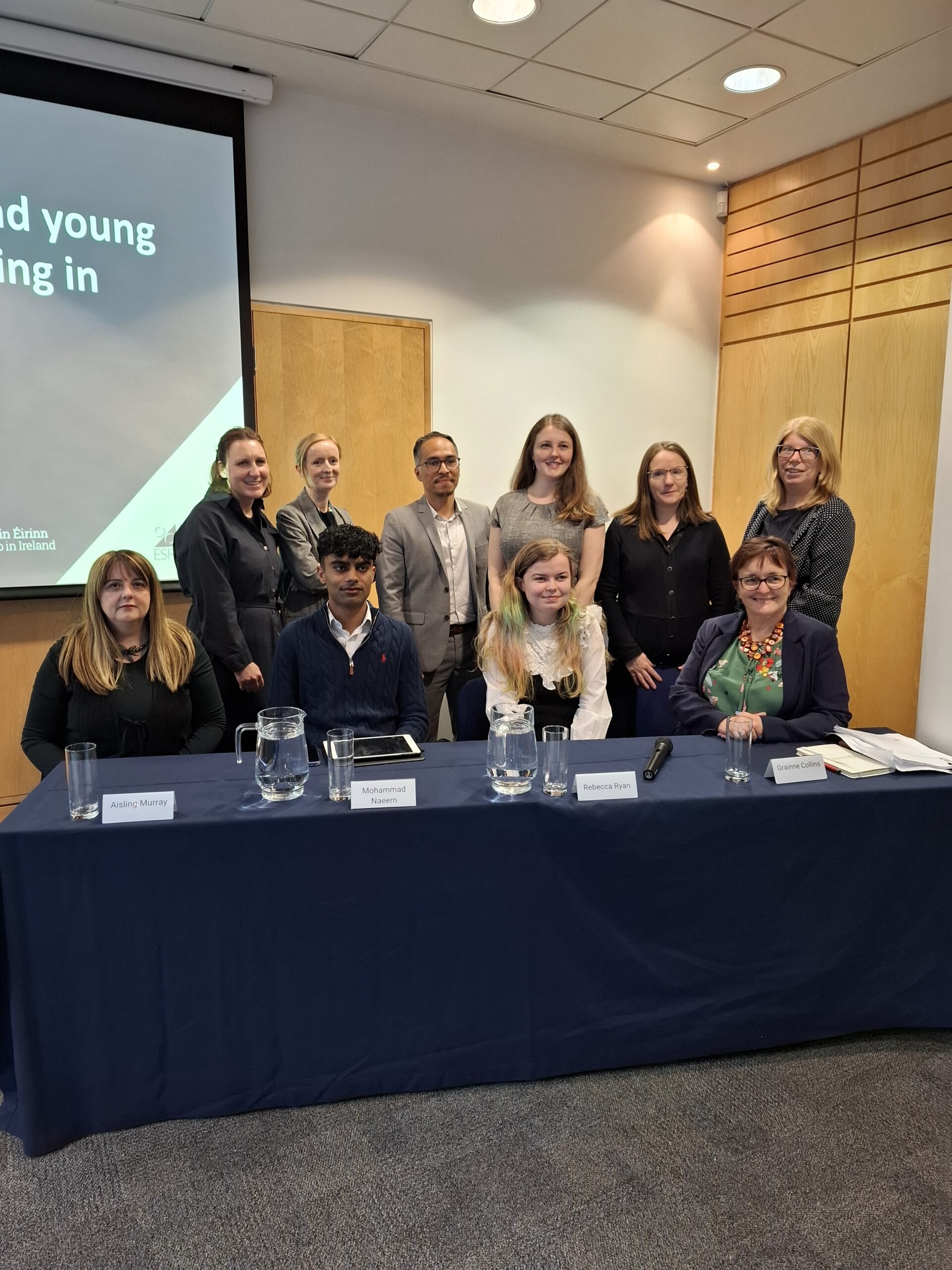
Dr Gráinne Collins was part of a panel that helped launch the ESRI’s latest report on young people’s perceptions of discrimination and the impact on health and well being. She was joined by Aisling Murray, Department of Children, Disability and Equality; Rebecca Ryan, member of Belong To’s Youth Advisory Panel; and Mohammad Naeem, former UN Youth Delegate for Ireland & former member of the DCEDIY Advisory Group on Racism and Racial Equality. The full report can be accessed here.
11 May 2026
NESC Ireland were delighted to collaborate with our colleagues in Concelho Económico E Social, Portugal; Conseil central de l’Économie and Conseil national du Travail, Brussels; Conseil économique, social et environnemental, France; CES, Economic and Social Council of Romania; Consejo Económico y Social de España; Economic and Social Council of Bulgaria; and Economic and Social Council of Greece to produce our latest Research Report Social Cohesion: European Case Studies. Special thanks also to our colleagues in the European Economic and Social Committee for supporting this collaboration.
You can read the full report now by clicking here.
28 April 2026
Council Report No.173 Artificial Intelligence in Service of Society: Navigating Our Way Forward was mentioned in the following articles:
- Brian O’Donovan, RTÉ Online: ‘Government urged to minimise risks of artificial intelligence‘
- NewsIreland.EU: ‘Ireland must ‘actively shape’ AI, urges advisory council‘
- Pat Leahy, Irish Times: ‘AI job losses in Ireland likely to hit women and ‘younger workers’ hardest‘
- Irish Times Editorial: ‘Tentative State response needs to ramp up‘
15 April 2026
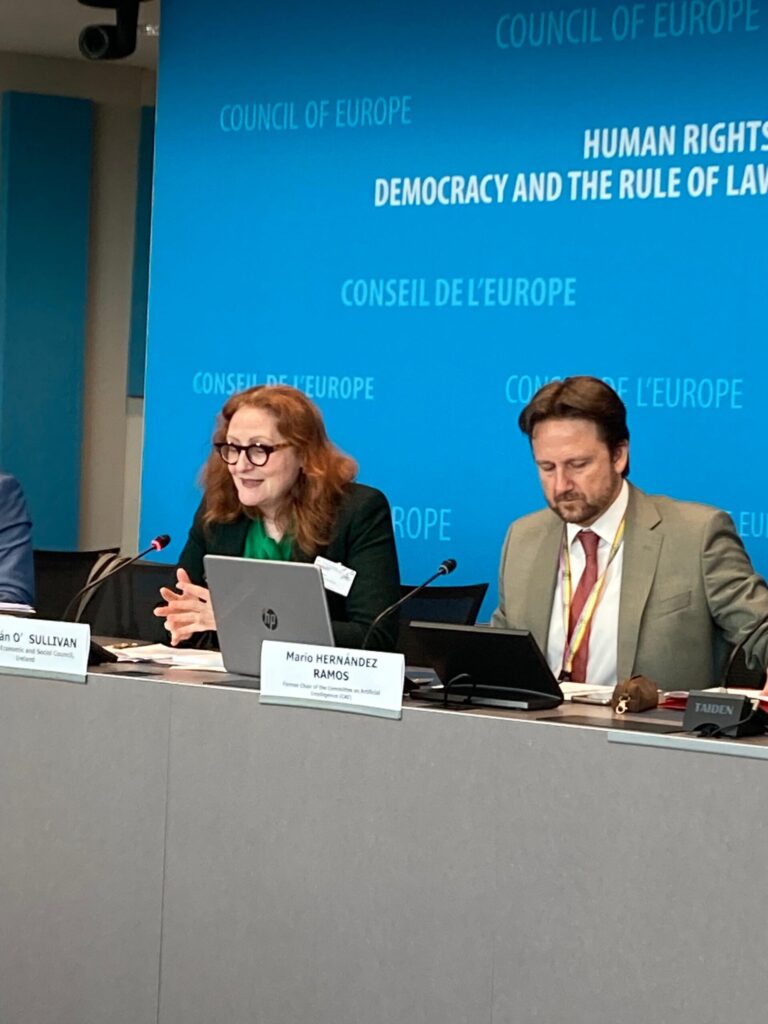
The Council of Europe held a Conference in Strasbourg on the “Algorithmic Age” seeking to explore how new and emerging digital technologies operate in real social, institutional, and legal contexts, and what this means for human rights, democracy, and the rule of law. Dr Siobhán O’Sullivan was an invited speaker and discussed the implications of digital technologies and AI in particular for human dignity, autonomy, and privacy.
2 March 2026
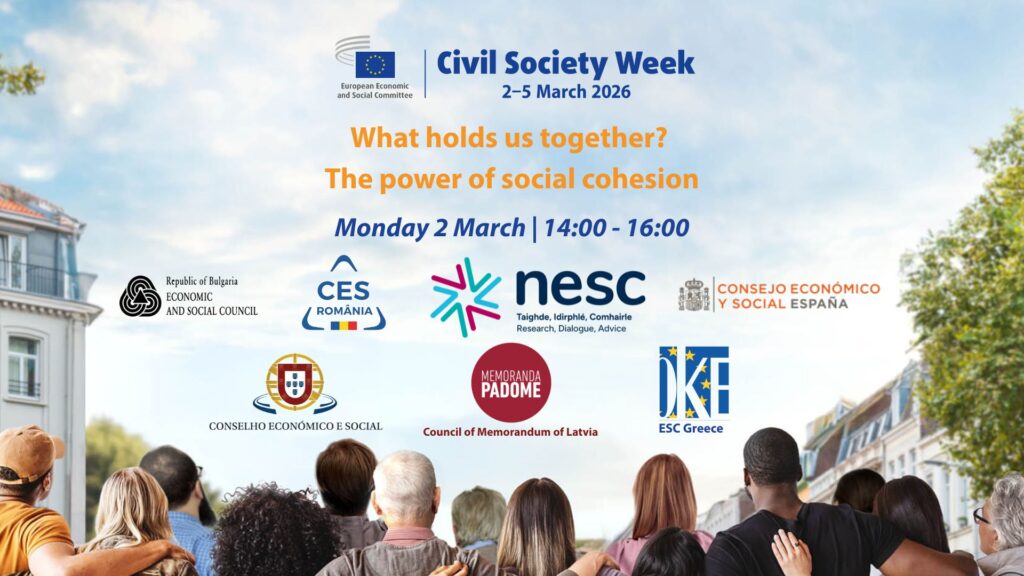
Policy Analyst Colette Bennett co-facilitated this workshop during European Economic and Social Committee Civil Society Week, bringing together civil society stakeholders from across Europe to discuss what Social Cohesion means to them and how we might support it at national and EU level.
6 February 2026
Senior Policy Analyst Siobhán O’Sullivan presented to the FutureNeuro Clinical Conference 2026 on the “Ethical Aspects of AI in Healthcare”.
Siobhán was part of a lineup of high profile researchers and clinicians tackling the use of AI as a means to treat neurological conditions.
14 January 2026
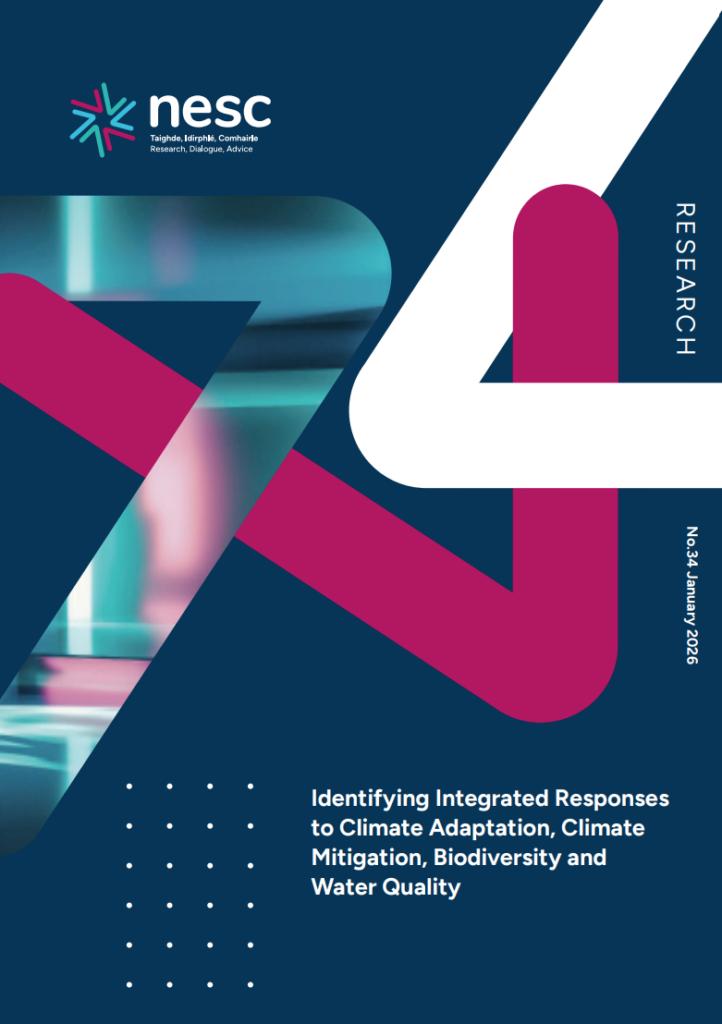
NESC’s newest research paper is now live on our website – many thanks to Aoife Molloy and Caroline McKeon of the Co-Centre for Climate + Biodiversity + Water who prepared this piece of work for us on the potential of more integrated approaches to addressing climate mitigation, climate adaptation, biodiversity, and water quality in Ireland – read it in full now.
12 December 2025
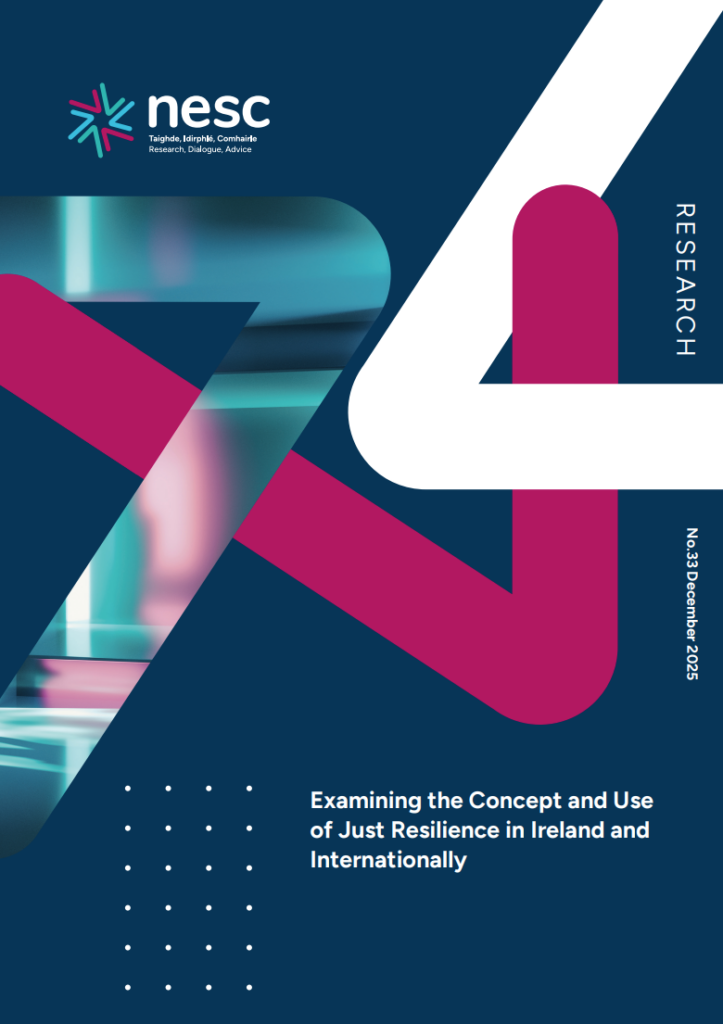
We are pleased to announce that a new Research Paper is now available on our website – read Examining the Concept and Use of Just Resilience in Ireland and Internationally now by clicking here.
This work was undertaken for NESC Ireland by Orla Dingley and Matthew Donoghue, both of University College Dublin. As well as examining the core meaning behind just resilience and examples of its implementation in different contexts, the paper provides recommendations for the development of such a framework nationwide.
1 December 2025
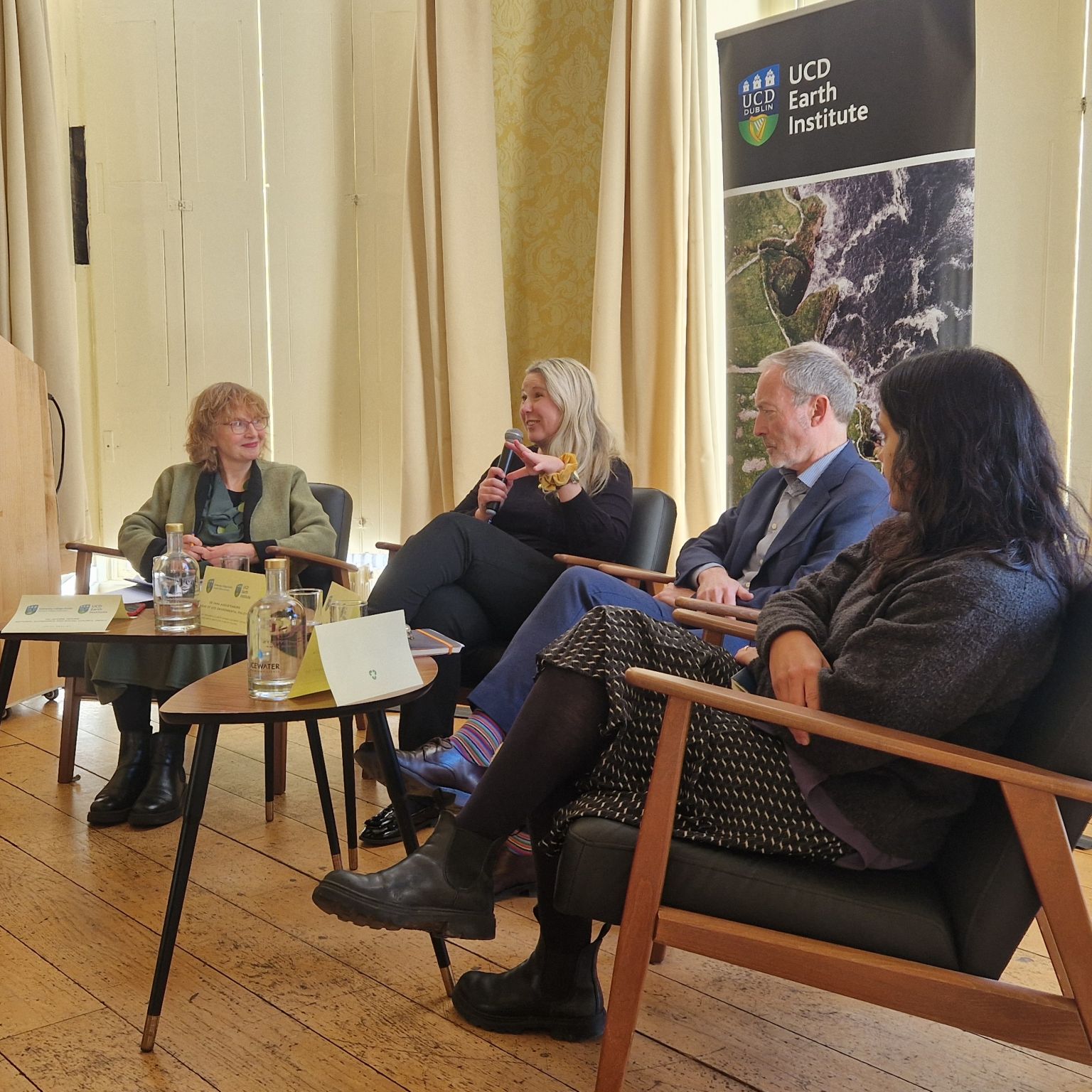
Dr Jeanne Moore chaired a seminar on ‘Bureaucratic Burdens in a Warming World’ at the UCD Earth Institute, part of a series on ‘adapting for the future’. Jeanne and panellists Dr Cara Augustenborg, Dr Hannah Julienne, Dr Desmond O’Mahony, and Dr Gerry Clabby highlighted the issue of ‘sludge’, such as excessive paperwork and administrative barriers, that can either slow down or completely halt important mitigation projects and other forms of critical climate action. The panel also discussed how sludge audits could relieve this congestion and red tape.
18 November 2025
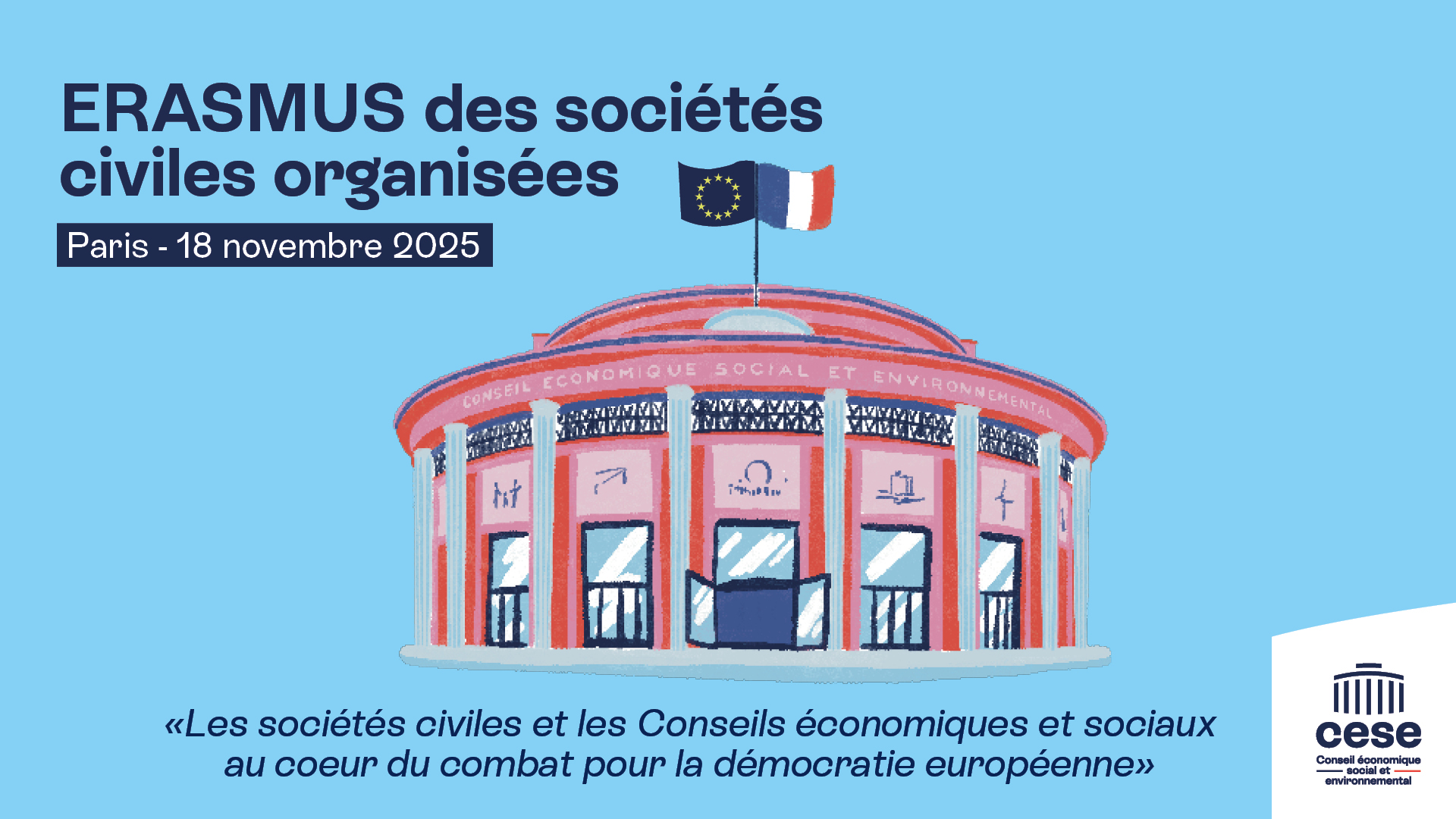
Policy Analyst Colette Bennett participated in the ERASMUS of civil society organisations at the Palais d’Iéna in Paris – Organised by the French Economic, Social and Environmental Council (Conseil économique social et environnemental), this event considered the recently published European Democracy Shield and the role of European Social and Economic Councils in the protection of democracy and civic space.
12 August 2025
Our new Council Report entitled Connecting People to the Energy Transition focuses on how to better connect people to a changing, just, and inclusive energy system.
30 July 2025
Some mentions of Council Report No.169 International Trade and the Energy Transition in print & broadcast media:
- Kevin O’Sullivan in the Irish Times: ‘Costs holding back Ireland as a renewables exporter, Nesc warns‘
- Kevin O’Sullivan, Irish Times (in business section): ‘Irish renewable energy policy gets a badly needed reality check’
- Business Post: ‘Ireland at risk of facing ‘substantial’ EU fines if reliance on fossil fuels not curbed‘
- Irish Examiner: ‘Advisory body warns Government dependence on fossil fuel imports risks disruption and sabotage’