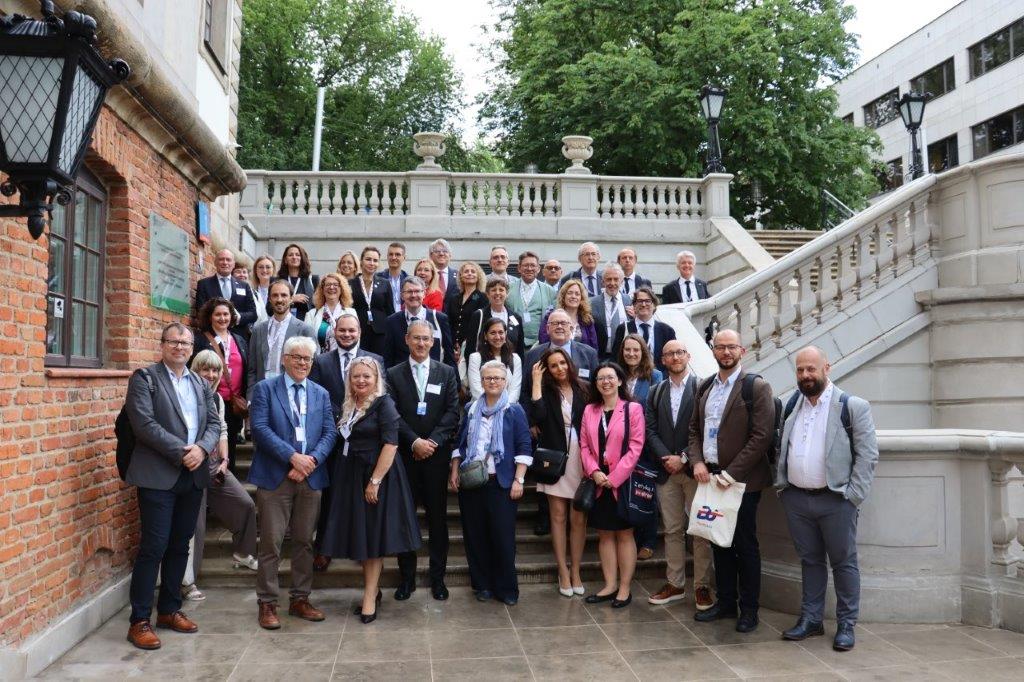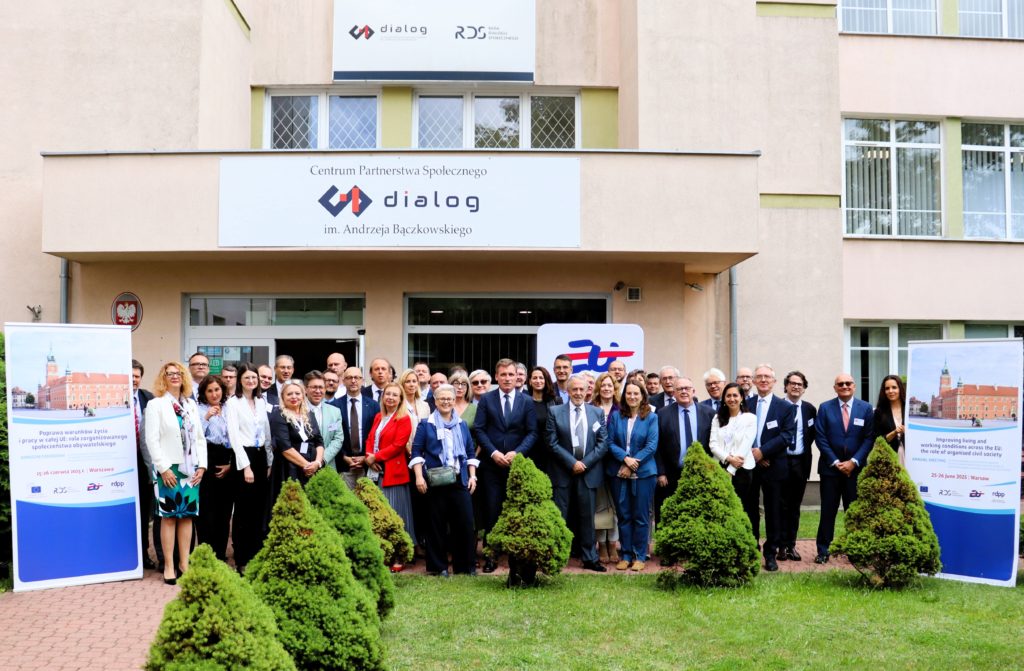
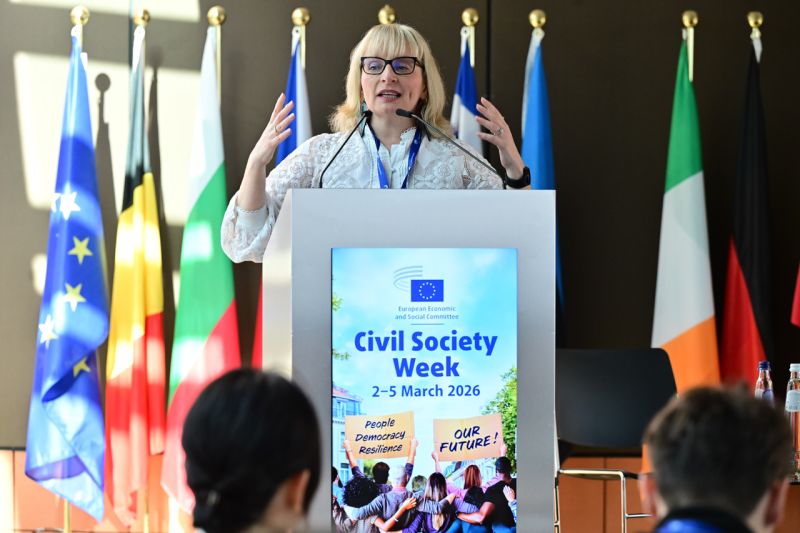
On 2 March 2026, participants at Civil Society Week contributed to a consultation workshop on social cohesion, designed and co-delivered by NESC. Organised in partnership with the European Economic and Social Committee (EESC), the event considered rising inequalities, democratic backsliding, geopolitical instability, and their implications for social cohesion across Europe.
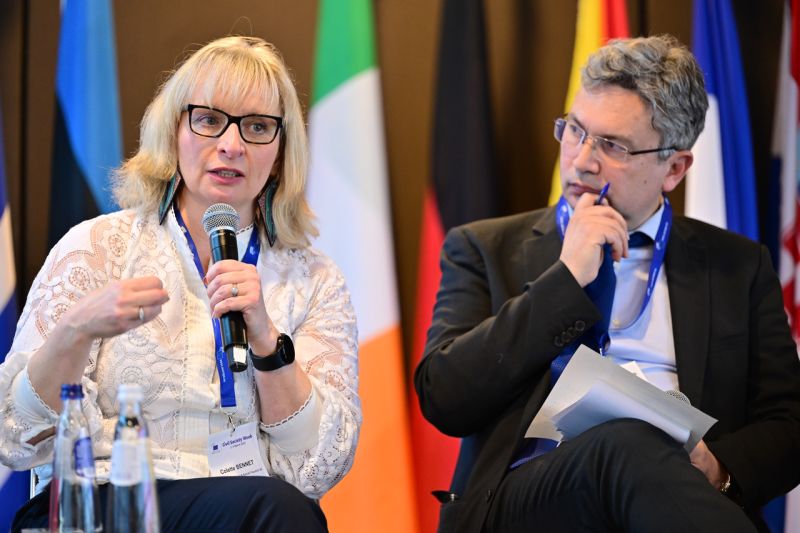
In the NESC session, What holds us together: the power of social cohesion, participants engaged in a World Café format, rotating between tables and questions to inform discussion and develop recommendations. The session was moderated by Conrad Toft (EESC) and opened by EESC Secretary-General Isabelle Le Galo Flores. The discussion was introduced with definitions and framing on social cohesion provided by Colette Bennett (Policy Analyst, NESC), drawing on the Council’s ongoing work.
Approximately 150 participants identified key elements of social cohesion, including dignity, inclusiveness, participatory decision making, equal opportunities, trust, and shared values.
Participants also reflected on how social cohesion is experienced at different levels. At national level, 46% assessed social cohesion as poor or very poor, 50% as average, and 4% as good or excellent. At EU level, 30% selected poor or very poor, 54% average, and 16% good or excellent.
World Café discussions – Three themes:
1) Trust, legitimacy and democracy
Participants emphasised that trust is central to social cohesion, and noted that perceptions of exclusion and distrust vary across countries and social groups, with older people, migrants, people with disabilities, and residents in disadvantaged rural areas frequently identified as being at greater risk of feeling left out. Participants also noted that social media and disinformation can deepen divisions and may be exploited by populist narratives, highlighting education as a long-term measure to build resilience to misinformation. These points were reflected in contributions from Daniela Dimitrova (Chief Economist, ESC Bulgaria) and Adelina Dabu (EESC Member; ESC Romania).
2) The left behind: Poverty, discrimination and new risks
Participants highlighted the need to address poverty and discrimination. They identified groups at higher risk of exclusion, including people with disabilities, migrants, people living in isolated rural areas or disadvantaged urban areas, and veterans. Participants noted that discrimination, including on the basis of race, age, religion, or disability, can undermine trust in social and political systems. Emerging risks were also discussed, including how AI may affect job security and amplify mis- and disinformation, alongside pressures linked to climate change, demographic change, and access to water. These themes were summarised by Colette Bennett (NESC), and the importance of shared values and changing patterns of poverty were also highlighted by Dimitris Bimpas (Scientific Advisor, ESC Greece).
3) Intergenerational fairness
Participants discussed intergenerational fairness, noting that unresolved intra-generational inequalities can contribute to tensions between age groups. They emphasised the importance of strong social and human rights, alongside clear labour rights and responsibilities. Participants also pointed to pension and social security sustainability, the implications of longevity, and the need to consider changes to working patterns. Migration was recognised as important for economic development, while the need for effective integration policies was also noted. Proposed directions included knowledge transfer between generations, empowering young people, digital skills exchange, social security reform, improved communication, and expanding the ERASMUS programme to businesses. These outcomes were presented by Luís Pais Antunes (President, ESC Portugal).
Conclusion
Participants identified shared challenges and priorities for strengthening social cohesion across Member States, emphasising the interdependence of trust in democratic institutions, effective action to prevent groups being left behind, and measures to support intergenerational fairness. Participants also highlighted the value of structured dialogue between civil society and social partners in developing practical approaches that are responsive to different national contexts.
The session outputs informed the Civil Society Week Conclusions, Next steps for a democratic and resilient future, and will also contribute to NESC’s ongoing work on social cohesion.